%2Ffit-in%2F250x250%2Fguide_websites%2F57302%2Fimages%2F1765515617599chatgptimagedec12202512_35_49pm.png&w=1920&q=100)
/users/c968f59f-50b8-4af9-ae51-73db36ab5987/ratecard/2-mj2bx6zt.jpg)
%2F300x300%2Fusers%2Fc968f59f-50b8-4af9-ae51-73db36ab5987%2Fratecard%2F2-mj2bx6zt.jpg&w=256&q=75)
%2F300x300%2Fusers%2Fc968f59f-50b8-4af9-ae51-73db36ab5987%2Fimages%2Fanglers-catch-huge-fish-galveston-2772.jpg&w=256&q=75)
%2F300x300%2Fusers%2Fc968f59f-50b8-4af9-ae51-73db36ab5987%2Fimages%2Fgalveston-permit-catch-2759.jpg&w=256&q=75)
%2F300x300%2Fusers%2Fc968f59f-50b8-4af9-ae51-73db36ab5987%2Fimages%2Fspotted-weakfish-galveston-fishing-2615.jpg&w=256&q=75)
%2F300x300%2Fusers%2Fc968f59f-50b8-4af9-ae51-73db36ab5987%2Fimages%2Fredfish-galveston-fishing-2706.jpg&w=256&q=75)
%2F300x300%2Fusers%2Fc968f59f-50b8-4af9-ae51-73db36ab5987%2Fimages%2Fsuccessful-fishing-trip-galveston-2767.jpg&w=256&q=75)
%2F300x300%2Fusers%2Fc968f59f-50b8-4af9-ae51-73db36ab5987%2Fimages%2Fredfish-caught-galveston-2768.jpg&w=256&q=75)
%2F300x300%2Fusers%2Fc968f59f-50b8-4af9-ae51-73db36ab5987%2Fimages%2Fbest-great-fishing-tx-2781.jpg&w=256&q=75)
%2F300x300%2Fusers%2Fc968f59f-50b8-4af9-ae51-73db36ab5987%2Fimages%2Fbest-fishing-trip-tx-2893.jpg&w=256&q=75)
%2F300x300%2Fusers%2Fc968f59f-50b8-4af9-ae51-73db36ab5987%2Fimages%2Ffour-anglers-texas-coastal-catch-2788.jpg&w=256&q=75)
%2F300x300%2Fusers%2Fc968f59f-50b8-4af9-ae51-73db36ab5987%2Fimages%2Fgalveston-fishing-adventure-2802.jpg&w=256&q=75)
Top-Rated Galveston Bay Fishing Charter
 Galveston
What you will be catching:
 Black Drum
 Cobia
Cobia Red Snapper
 Redfish
 Yellowedge Grouper
- 4-hour morning charter targets prime 7 AM fishing conditions
- Light tackle fishing for redfish, trout, sheepshead at jetties
- Family-friendly with 2-guest maximum and guided instruction
Trip Pricing and Availabilities:
Galveston Bay Fishing Charter
Want to fish during the most productive hours when the bay comes alive? This half-day Galveston Bay fishing charter gets you on the water at 7:00 AM for four solid hours of fishing the bay edges and jetty structures. Perfect for anglers who know that early morning is when the fish are feeding and the bay is at its best. We'll take up to 2 guests on this trip, keeping it personal and focused so everyone gets plenty of rod time and attention from your captain.
What to Expect on the Water
We're launching early to beat the crowds and hit the prime feeding windows when redfish cruise the shallows and speckled trout work the grass lines. The beauty of this trip is the short run to productive water – we're talking minutes, not hours, to reach the jetties and bay edges where fish congregate. Your captain will read the conditions and adjust tactics accordingly, whether that means working live bait around structure, throwing artificials at feeding schools, or bottom fishing for some hard-fighting drum. The 4-hour window gives us enough time to move around and find active fish without feeling rushed. Kids are absolutely welcome, and we've got all the life jackets sized properly. Your captain stays hands-on throughout the trip, helping with everything from rigging baits to landing fish, so even beginners feel confident out there.
Tackle & Techniques
We're fishing light tackle here – think spinning reels and rods that let you feel every head shake and run. Depending on what we're targeting and where the fish are holding, we'll switch between live bait fishing, artificial lures, and bottom rigs. Around the jetties, we might drop live shrimp or small crabs near the rocks where sheepshead and redfish hunt. Out on the bay edges, we could be throwing topwater plugs at first light or working soft plastics through the grass beds. The captain carries a variety of terminal tackle and knows how to rig for whatever we encounter. If the tide and conditions are right for bottom fishing, we'll anchor up and put out some heavier rigs for black drum and sharks. The key is staying flexible and letting the fish tell us what they want on any given morning.
Top Catches This Season
Redfish are the bread and butter of Galveston Bay, and for good reason. These copper-colored fighters range from schoolie-sized fish perfect for kids to learn on, all the way up to bull reds that'll test your drag and your arms. They feed aggressively in the shallows, especially around dawn, and you'll often see them tailing or creating wakes as they cruise the flats. Spring through fall offers the most consistent action, with the bigger fish moving in during cooler months. What makes redfish so exciting is their willingness to eat just about anything – live shrimp, cut bait, or artificials – and their habit of making multiple strong runs before coming to the boat.
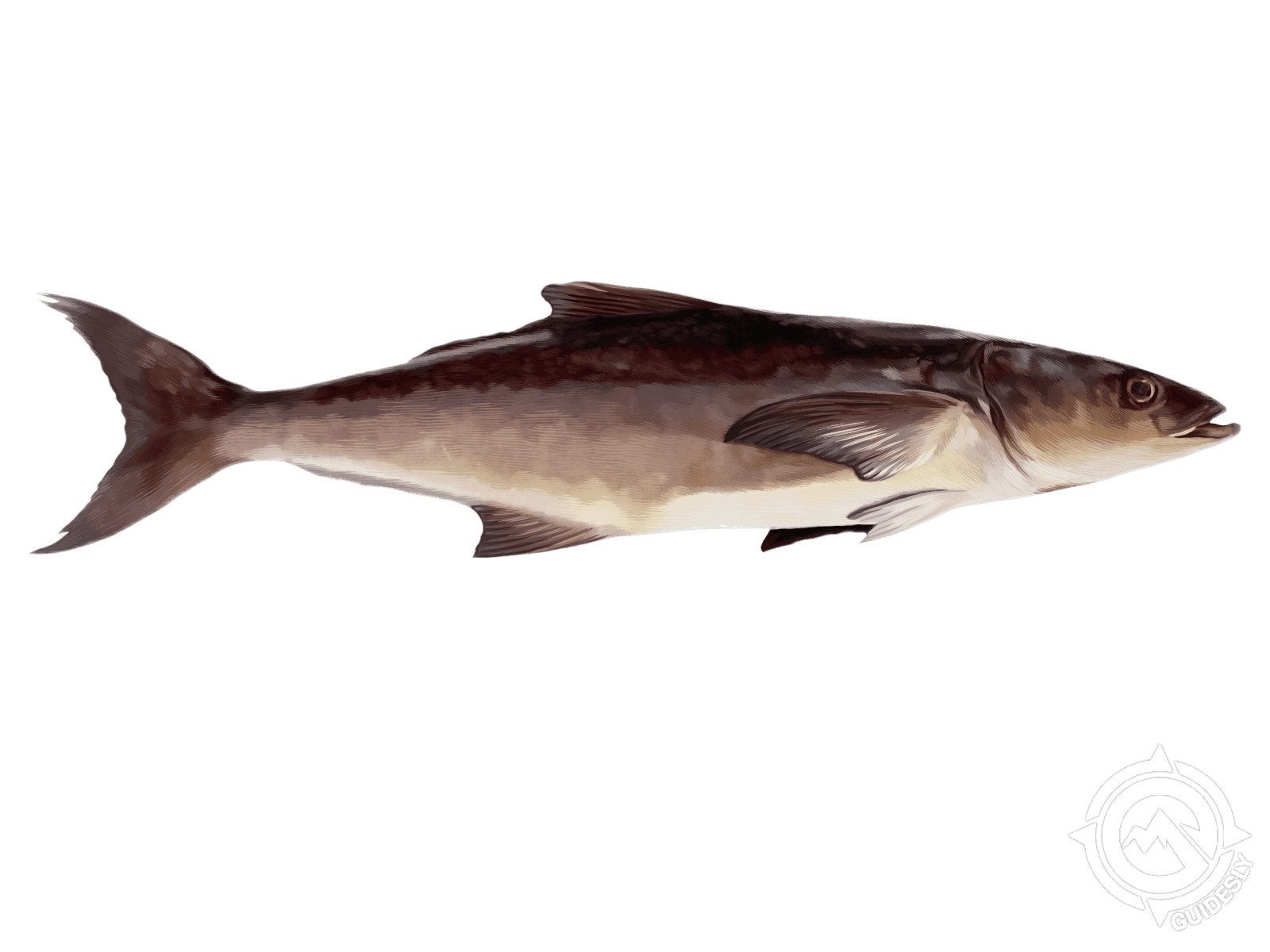
Cobia show up as the water warms, typically from late spring into early fall, and they're absolute bruisers when hooked. These brown sharks, as some folks call them, can reach impressive sizes and have an attitude to match. They're curious fish that will often follow the boat or investigate structure, giving you a clear shot with live bait or a bucktail jig. When a cobia hits, you'll know it – they make long, powerful runs and use their broad sides to fight you all the way to the net. The jetties and nearshore waters around Galveston are prime cobia territory.
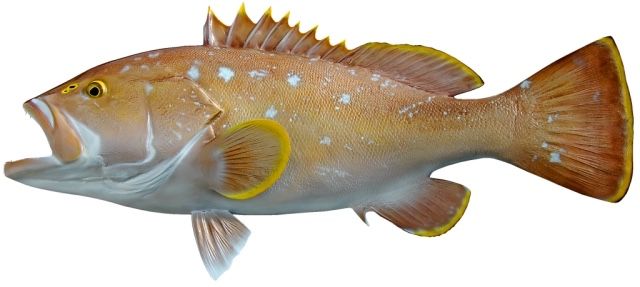
Yellowedge grouper might seem like an odd target for an inshore trip, but the deeper channels and structure around Galveston Bay can hold these tasty bottom dwellers. They're more commonly found in deeper offshore waters, but when conditions align and we're fishing the right spots with the right bait, they can show up as a bonus catch. These fish are prized for their firm, white meat and their stubborn fight from the bottom.
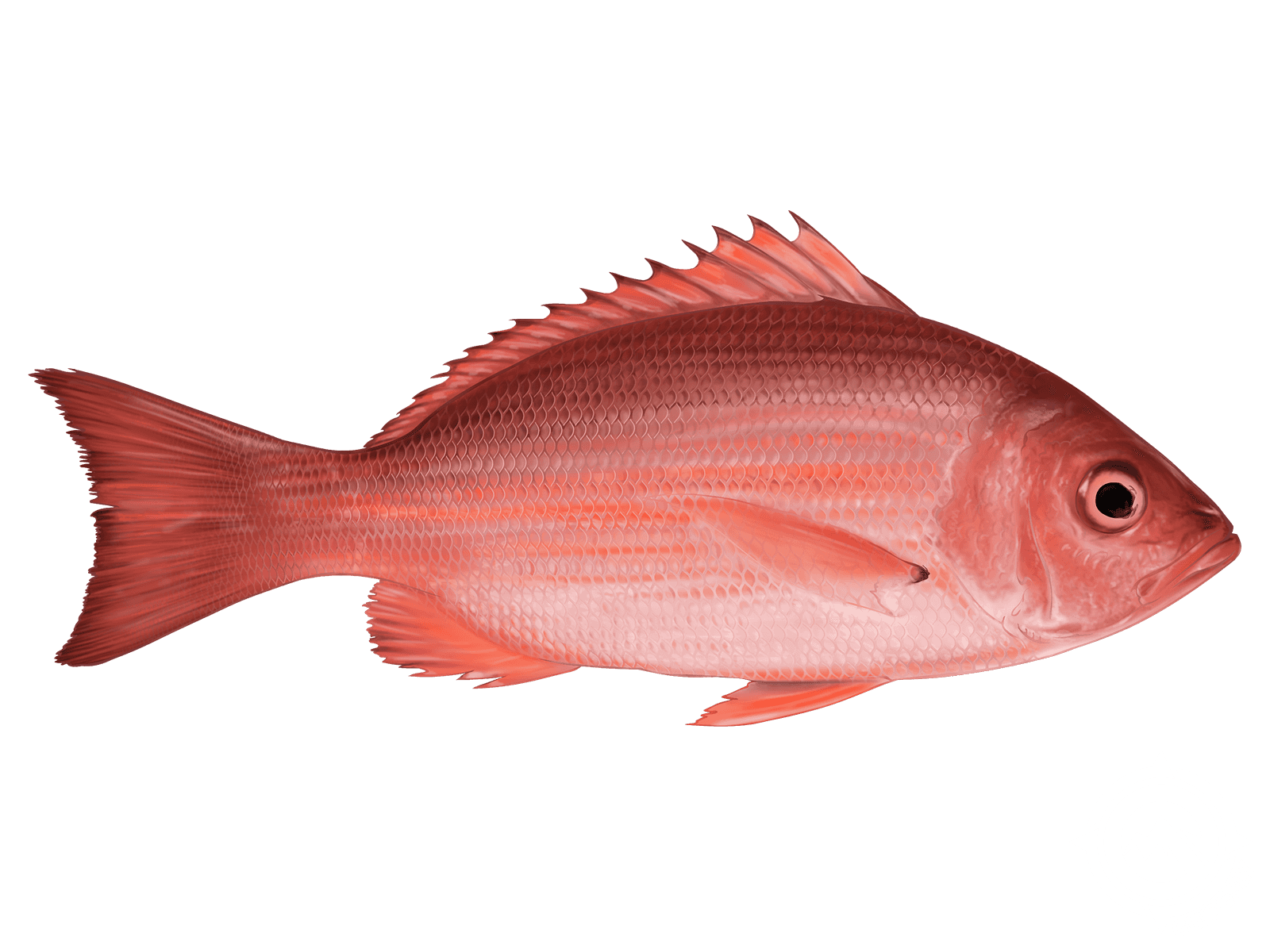
Red snapper season brings some of the most exciting fishing of the year, though seasons and regulations change, so we'll always fish within current limits. When they're available, red snapper around the jetties and nearshore structure provide fast action and excellent table fare. They're aggressive biters that hit hard and fight all the way up, making them a favorite among anglers of all skill levels.
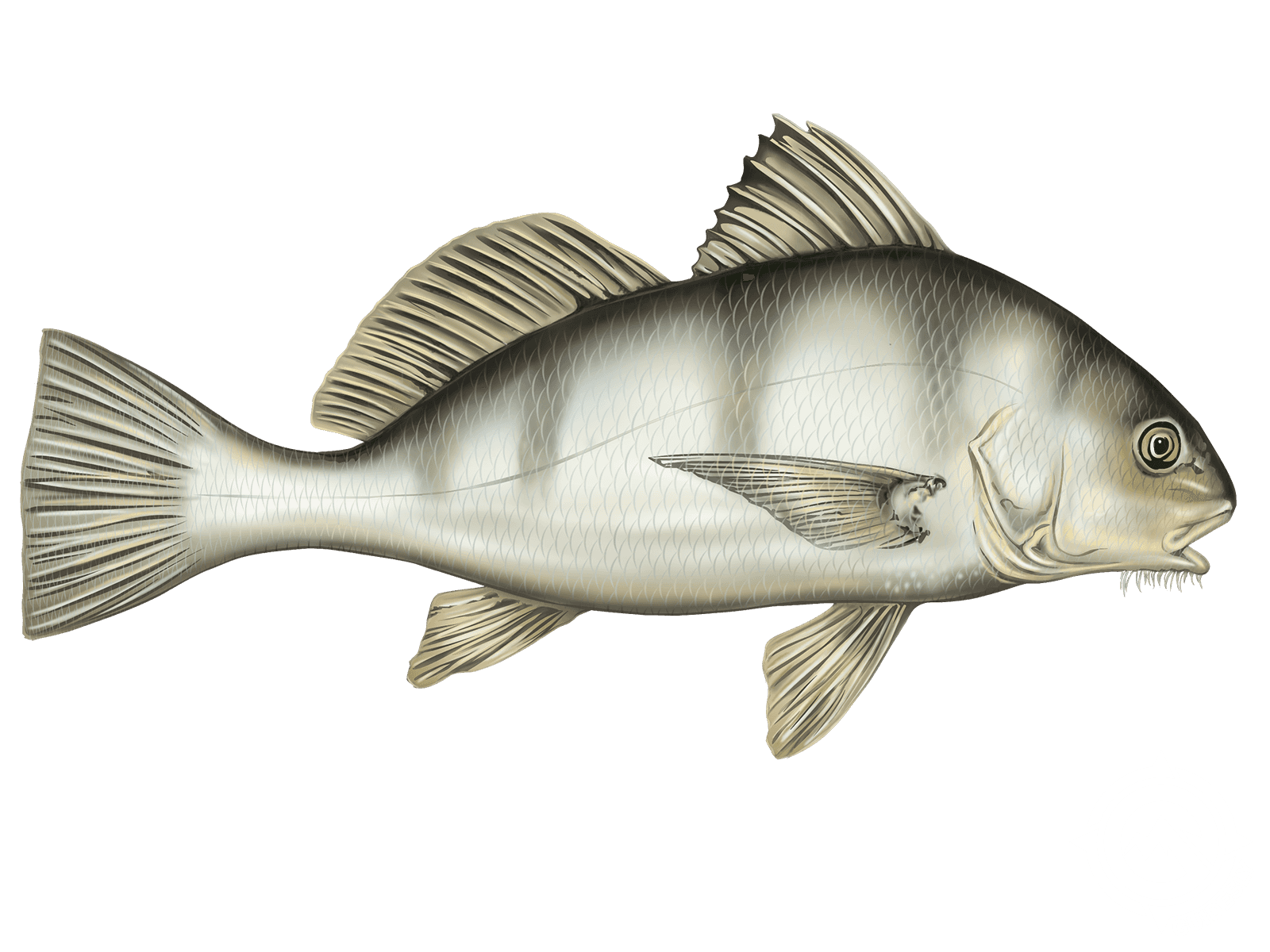
Black drum are the heavyweight champions of the bay system, with some fish pushing well over 30 pounds. They're bottom feeders that love crabs and cut bait, and they'll give you a workout like no other inshore species. You'll find them around structure, in deeper holes, and along drop-offs where they root around for food. The fight is more like arm wrestling than fishing – long, steady pulls that test your endurance. Smaller drum, often called puppy drum, school up and provide excellent action for the whole family.
Time to Book Your Spot
This top-rated morning fishing charter fills up fast, especially during peak seasons when the bite is hot and the weather's cooperating. The early start time means you'll be back at the dock by 11:00 AM with the rest of your day free to explore Galveston or just relax. Whether you're a local angler looking for a quick fishing fix or visiting and want to experience world-class bay fishing, this trip delivers the goods. The combination of productive water, experienced guidance, and that perfect morning bite window makes this a customer favorite year after year. Don't wait – grab your spot and get ready to see why Galveston Bay fishing keeps anglers coming back for more.
Learn more about the animals
Black Drum
Black drum are the heavyweights of the bay, ranging from eating-size 5-15 pounders up to massive 40-60 pound bulls. You'll find them on oyster reefs, muddy flats, and around structure in 2-20 feet of water. Spring spawning season is prime time when they school up and make those drumming sounds underwater. The smaller ones are great eating with firm, white meat, but the big boys are more for the photo. They're bottom feeders with powerful jaws built for crushing shellfish. Live or fresh dead crab works best since it won't get picked off by bait stealers. Here's what works: fish dead on bottom with a Carolina rig, and when you feel that steady pull, don't horse them - they'll use their size against you.
Cobia
Cobia are the loners of the Gulf, usually traveling solo and reaching 30-50 pounds with that distinctive shark-like profile. These brown bruisers cruise 20-60 feet around jetties, buoys, and structure during spring migration. They're sight fishing targets - you'll spot them just under the surface looking like a small shark. The fight is pure power with long runs, and the white, flaky meat rivals any fish in the Gulf. Peak season runs May through September when they're moving through our waters. They'll hit bucktail jigs, eels, or live bait worked near the bottom. My go-to move: when you see one, get a 6-ounce brown jig in front of it and work it slow along the bottom - they can't resist.
Red Snapper
Red snapper are the gold standard of Gulf fishing, averaging 2-8 pounds with some monsters pushing 20-plus. These bright red fighters live around structure in 40-100 feet, hugging reefs, rigs, and hard bottom. They're absolute warriors when hooked - expect strong runs toward cover where they'll try to cut your line. The season typically runs summer months, and the white, sweet meat makes them a favorite at the dinner table. They're bottom feeders that love live or fresh dead bait - pinfish, cigar minnows, and squid work great. My trick: use a heavy enough weight to stay on bottom in current, and when you feel that thump-thump bite, set the hook hard and keep steady pressure to turn them away from structure.
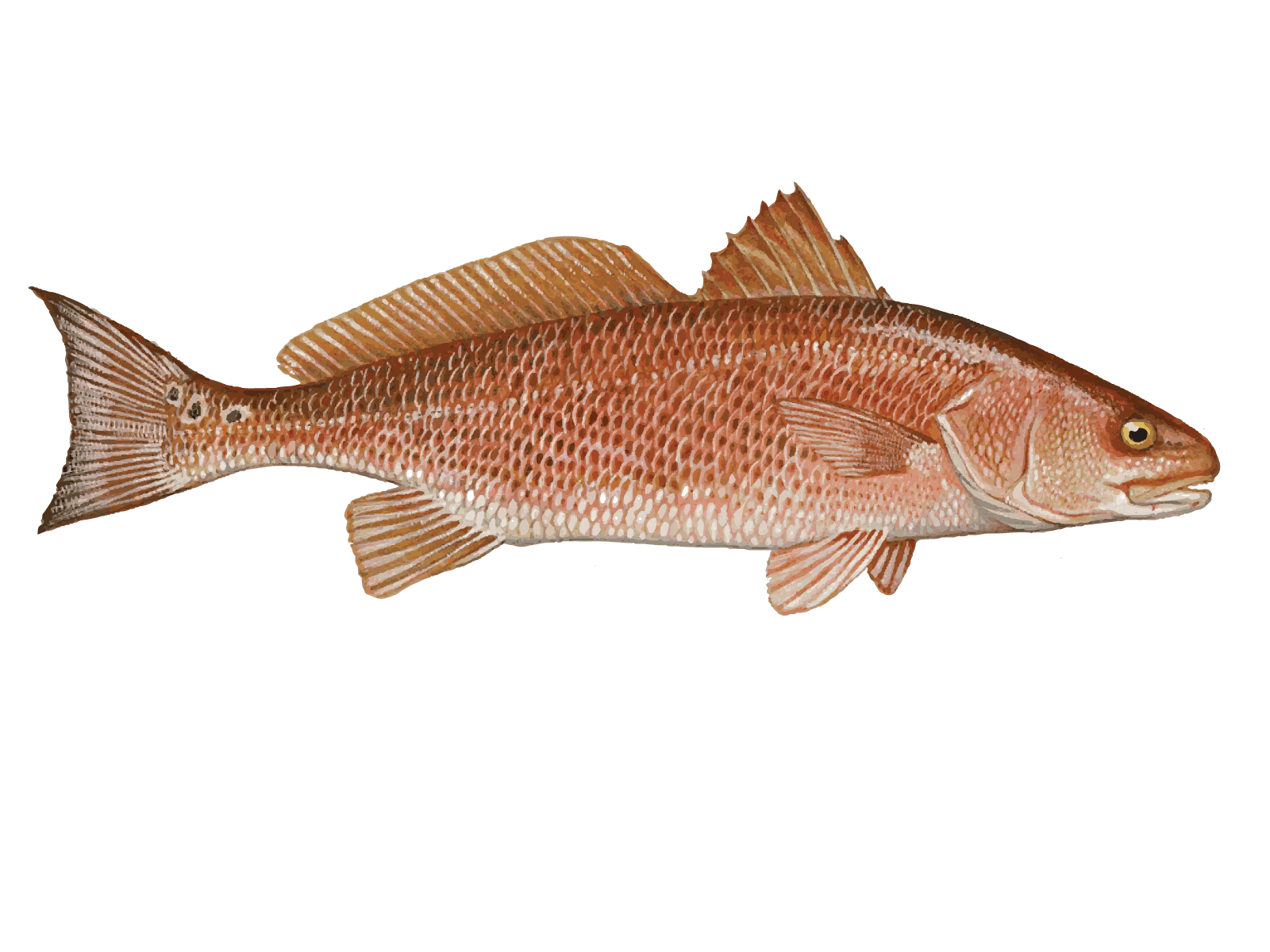
Redfish
Redfish are perfect bay targets, running 20-35 inches on average with those signature black spots near the tail. You'll find them cruising 1-4 feet deep around oyster reefs, grass flats, and jetty structure - sometimes so shallow their backs show above water. They hit hard and make strong runs, especially the bigger slot fish. Spring through fall gives you the best action when they're feeding heavy in the shallows. The meat's light and flaky, making them great table fare. These copper-colored fighters will eat just about anything - live shrimp, topwater plugs, or spoons work great. Pro tip: when you spot one tailing in shallow water, cast past them and work your bait back slowly - they spook easy but hit aggressive once they commit.
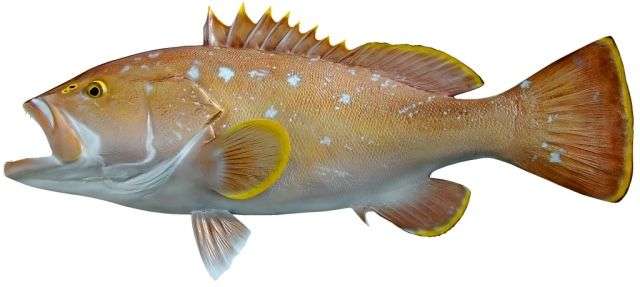
Yellowedge Grouper
Yellowedge grouper live way down deep - we're talking 400-600 feet around offshore structure and rocky bottom. These chunky fish run 20-40 pounds and pack serious muscle that'll test your gear. The bright yellow fin edges make them easy to identify, and the meat is some of the best eating in the Gulf with big, moist flakes. You'll need to deep drop for these guys using heavy tackle and multiple hooks. They feed on crabs and invertebrates, so cut bait works well. Spring and summer give you the best shot when they're more active. Here's the key: use 4-6 ounce weights and be ready for a long fight - these fish will try to get back to their rocky holes and break you off. Patience pays off with yellowedge.
About the Island Adventure Charters
%2F%2Fusers%2Fc968f59f-50b8-4af9-ae51-73db36ab5987%2Fvehicle_picture%2Fboatpic1-mj2abjjp.jpg&w=1920&q=75)
Vehicle Guest Capacity: 6
Manufacturer Name: Suzuki
Maximum Cruising Speed: 55
Number of Engines: 2
Horsepower per Engine: 300