%2Ffit-in%2F250x250%2Fguide_websites%2F57302%2Fimages%2F1765515617599chatgptimagedec12202512_35_49pm.png&w=1920&q=100)
/users/c968f59f-50b8-4af9-ae51-73db36ab5987/ratecard/4-mj2cleb6.jpg)
%2F300x300%2Fusers%2Fc968f59f-50b8-4af9-ae51-73db36ab5987%2Fratecard%2F4-mj2cleb6.jpg&w=256&q=75)
%2F300x300%2Fusers%2Fc968f59f-50b8-4af9-ae51-73db36ab5987%2Fimages%2Fanglers-catch-huge-fish-galveston-2772.jpg&w=256&q=75)
%2F300x300%2Fusers%2Fc968f59f-50b8-4af9-ae51-73db36ab5987%2Fimages%2Fgalveston-permit-catch-2759.jpg&w=256&q=75)
%2F300x300%2Fusers%2Fc968f59f-50b8-4af9-ae51-73db36ab5987%2Fimages%2Fspotted-weakfish-galveston-fishing-2615.jpg&w=256&q=75)
%2F300x300%2Fusers%2Fc968f59f-50b8-4af9-ae51-73db36ab5987%2Fimages%2Fredfish-galveston-fishing-2706.jpg&w=256&q=75)
%2F300x300%2Fusers%2Fc968f59f-50b8-4af9-ae51-73db36ab5987%2Fimages%2Fsuccessful-fishing-trip-galveston-2767.jpg&w=256&q=75)
%2F300x300%2Fusers%2Fc968f59f-50b8-4af9-ae51-73db36ab5987%2Fimages%2Fredfish-caught-galveston-2768.jpg&w=256&q=75)
%2F300x300%2Fusers%2Fc968f59f-50b8-4af9-ae51-73db36ab5987%2Fimages%2Fbest-great-fishing-tx-2781.jpg&w=256&q=75)
%2F300x300%2Fusers%2Fc968f59f-50b8-4af9-ae51-73db36ab5987%2Fimages%2Fbest-fishing-trip-tx-2893.jpg&w=256&q=75)
%2F300x300%2Fusers%2Fc968f59f-50b8-4af9-ae51-73db36ab5987%2Fimages%2Ffour-anglers-texas-coastal-catch-2788.jpg&w=256&q=75)
%2F300x300%2Fusers%2Fc968f59f-50b8-4af9-ae51-73db36ab5987%2Fimages%2Fgalveston-fishing-adventure-2802.jpg&w=256&q=75)
Premier Galveston Saltwater Fishing Adventure
 Galveston
What you will be catching:
 Black Drum
 Cobia
Cobia Red Snapper
 Redfish
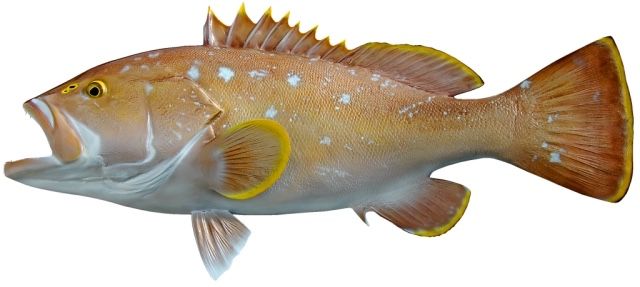 Yellowedge Grouper
- 6-hour charter targeting redfish, trout, sheepshead, and sharks
- Light tackle fishing at bay edges and jetty structures
- Small 2-guest groups with personalized fishing instruction
Trip Pricing and Availabilities:
Galveston Saltwater Fishing Charter
Ready to hit the water for some serious saltwater action? This full-day Galveston bay and jetty fishing adventure gives you six solid hours to target some of the Gulf Coast's most prized species. Starting at 7:00 AM, you'll have the entire morning to work the productive bay edges and jetty structures that make Galveston fishing legendary. Whether you're chasing redfish in the shallows or dropping lines on structure for bigger fish, this charter gives you the time and flexibility to make it happen.
What to Expect on the Water
This isn't your typical rushed fishing trip. With six hours on the water, we can take our time and really work the spots that are producing. The morning start means cooler temperatures and active fish, plus you'll beat the afternoon boat traffic that can spook fish in the shallows. We'll accommodate up to two guests, keeping things intimate so everyone gets plenty of hands-on time with the rods. The relaxed pace makes this perfect for families or anyone who wants to soak up the full Galveston bay experience without feeling rushed. As tides shift throughout the morning, we'll move to different areas - maybe starting in the back bays for trout and redfish, then heading to the jetties when conditions are right for bigger fish.
Tackle and Techniques
We'll be running light tackle setups that let you feel every strike and fight. Depending on what we're targeting and where we're fishing, we'll switch between bait fishing and bottom techniques. When we're working the bay edges for redfish and trout, live bait under popping corks is hard to beat. Around the jetty structure, we'll drop down with cut bait and chunks to entice the bigger residents like black drum and cobia. The beauty of having six hours is we can adapt our approach based on what's working - if the fish are hitting topwater early, we'll stay with it. If they move deeper as the sun gets higher, we'll adjust accordingly. All tackle and bait are provided, so you just need to bring your fishing license and be ready to hook up.
Top Catches This Season
Redfish are the bread and butter of Galveston inshore fishing, and these copper-colored fighters never disappoint. They cruise the shallow flats and oyster reefs year-round, with fall being absolutely phenomenal when big schools move through the bay system. A good redfish will make multiple runs and use their broad tail to put serious bend in your rod. What makes them special here is the variety - you might catch a slot-sized fish perfect for dinner, or hook into a bull red that'll test your drag and your patience.
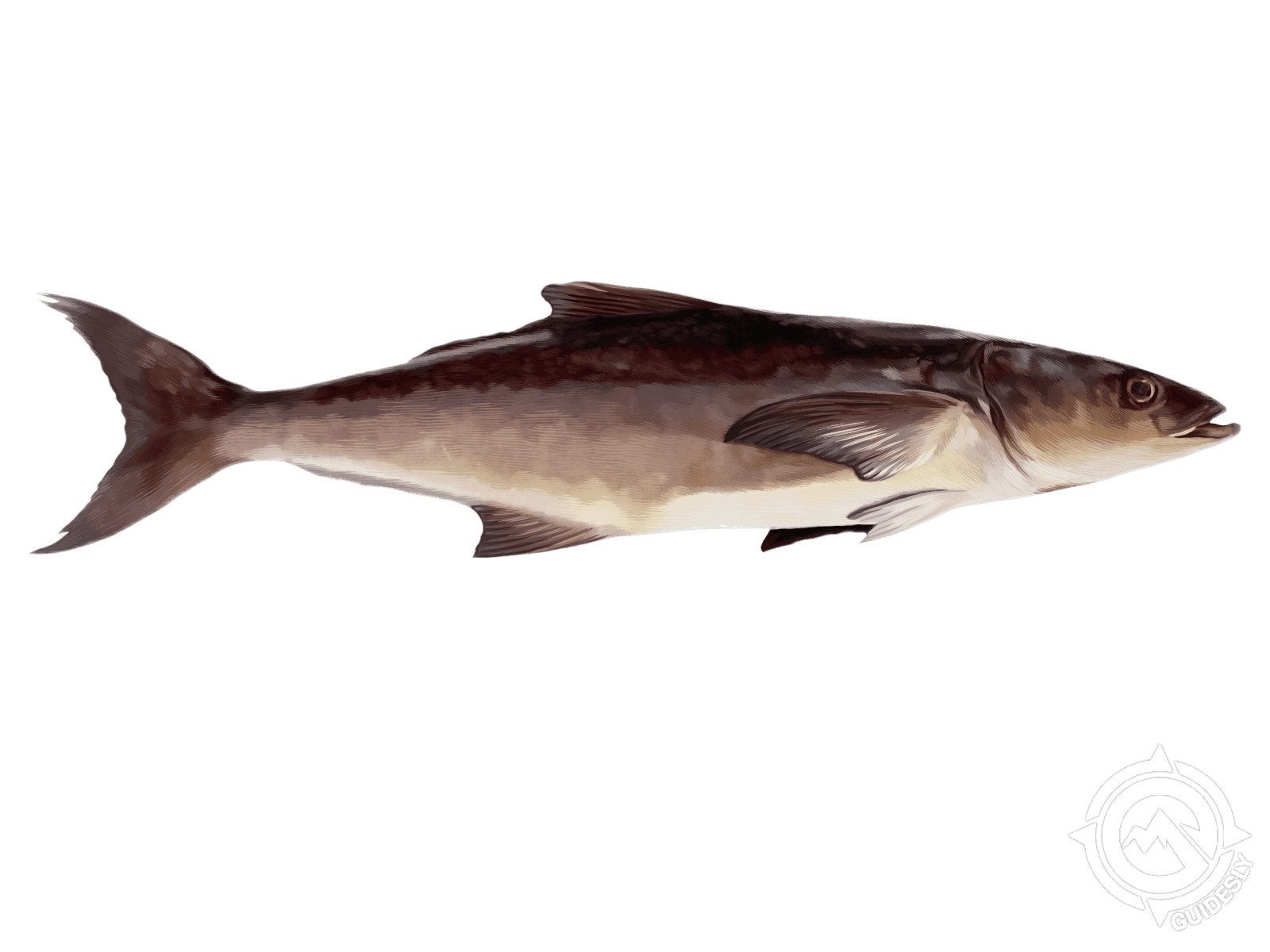
Cobia are the wildcards that can make your entire trip. These brown sharks of the bay show up around structure and moving water, especially during their spring and fall migrations. They're curious fish that will sometimes follow the boat, giving you shots at sight-casting. When a cobia hits, you know it immediately - they're strong, stubborn fighters that will take you into the structure if you let them. Landing a 30-pound cobia on light tackle is something you'll talk about for years.
Yellowedge grouper are the deep-water prizes that make the jetty fishing so exciting. These bottom-dwellers hang around the rock structure and artificial reefs, ambushing anything that swims by. They're not the prettiest fish, but they're pure muscle and will try to pull you back to the rocks the second they're hooked. Finding yellowedge requires patience and the right bait presentation, but when you connect, it's game on.
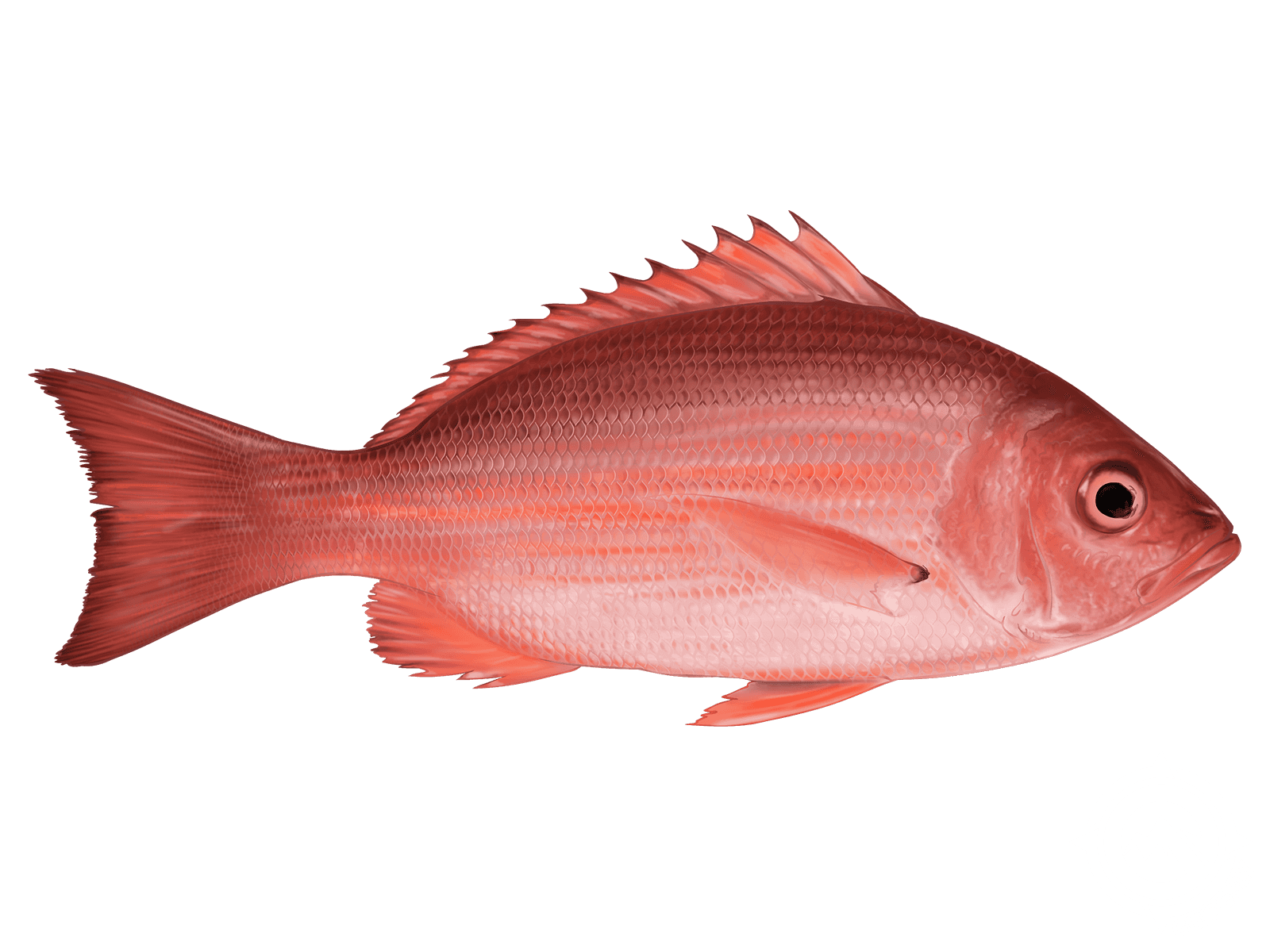
Red snapper season brings out the best in Galveston fishing, and these pink-and-red beauties are as tasty as they are fun to catch. They're structure-oriented fish that require precise boat positioning and quick hook-sets. Snapper have sharp teeth and know how to use structure to their advantage, so keeping steady pressure is key. The federal seasons can be short, but when they're open, it's some of the most exciting fishing you'll find.
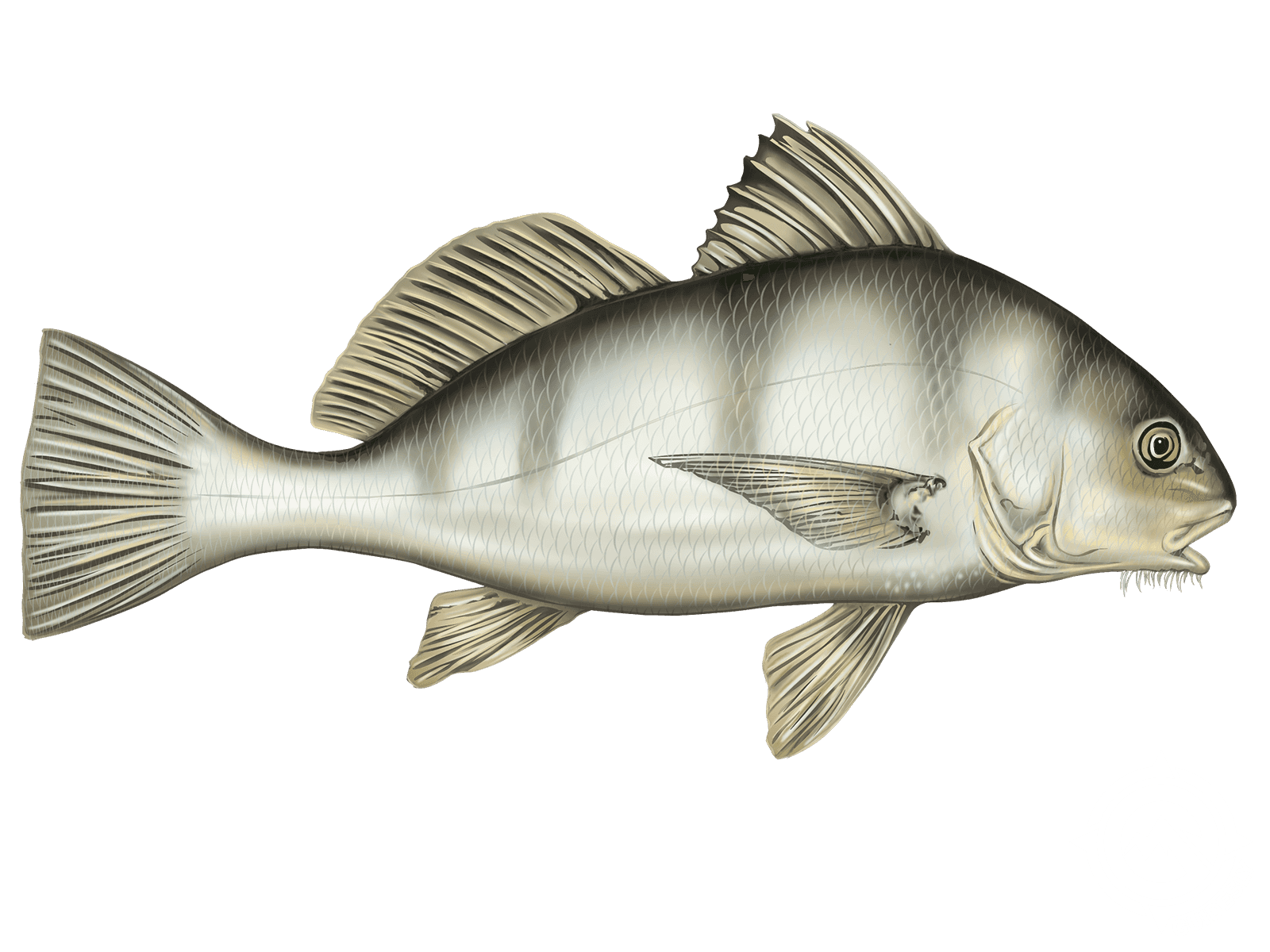
Black drum might not win beauty contests, but they're absolute bulldogs that will give you a workout. These bottom-feeders love oyster reefs and muddy areas where they root around for crabs and shellfish. Big black drum - we're talking 20 to 40 pounds - will make long, powerful runs that'll have you wondering what you hooked into. They're perfect for anglers who want to feel a serious fish on the other end of the line.
Time to Book Your Spot
Six hours on Galveston bay gives you the real deal - time to fish multiple spots, adapt to changing conditions, and really dial in on what's working. Whether you're an experienced angler looking to target specific species or a family wanting a relaxed day on the water with plenty of opportunities, this charter delivers. The morning timing, intimate group size, and extended duration make this a customer favorite for good reason. Deposits are non-refundable, so once you're committed, you're committed - but with Galveston's year-round fishing opportunities and our knowledge of local hotspots, you're setting yourself up for a memorable day on the water.
Learn more about the species
Black Drum
Black drum are our heavyweight champions, commonly running 10-25 pounds with giants pushing 50+ pounds. These dark, powerful fish love shallow muddy flats, oyster beds, and areas around the jetties. Spring is prime time when they school up for spawning - that's when we have our best shots at multiple hookups. They're bottom feeders with crushing jaws, so fresh crab or cut bait works best. What makes them special is the sheer power - a big drum will test your tackle and your patience. Younger fish under 15 pounds make excellent table fare. The trick with drum is patience - they're not fast strikers. Let them mouth the bait, feel the weight, then set the hook firmly. They'll make that distinctive drumming sound you can actually hear.
Cobia
Cobia are some of the most exciting fish we target during spring migration, typically April through June. These brown, shark-looking fish average 20-40 pounds but can easily hit 60+ pounds. You'll find them around jetties, buoys, and structure in 20-50 feet of water. They're usually solo travelers, which makes spotting them a real skill. What guests love most is the fight - these fish are pure power and will test every knot you tied. Plus, they're fantastic eating with firm, white meat that tastes like a cross between tuna and mahi. The key to landing cobia is being ready when you see one. Keep a bucktail jig rigged and ready because when they show up, you've got about one shot before they disappear.
Red Snapper
Red snapper are the crown jewel of our offshore trips when season opens. These bright red fish typically run 2-8 pounds, though we occasionally land 15+ pounders that'll make your day. They live in 60-150 feet around structure - oil rigs, artificial reefs, and hard bottom areas. During open season (usually summer months), they're aggressive feeders that'll hit fresh squid or live bait readily. What guests love is the fight - they're scrappy and will try to cut your line on structure every chance they get. The meat is phenomenal too, mild and sweet. Here's the key: once you hook one, get them up and away from the bottom fast. They'll head straight for cover and wrap you up if you give them slack.
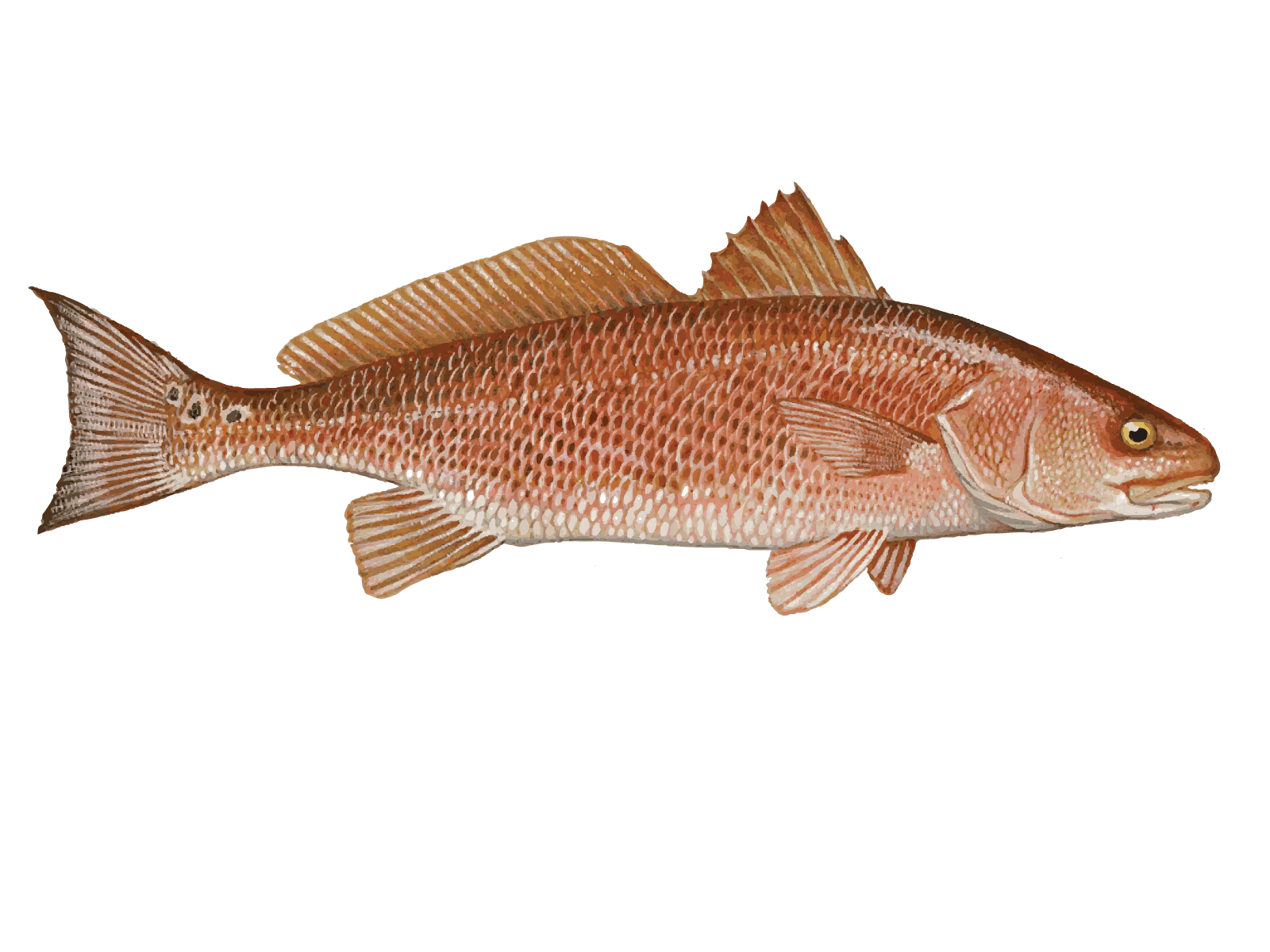
Redfish
Red drum are one of our most reliable targets here in Galveston Bay. These copper-colored fish with their signature black spots typically run 18-28 inches, though we occasionally hook into bulls pushing 40+ inches. They love shallow water from 1-4 feet deep, cruising oyster reefs, grass flats, and around the jetties. Spring through fall offers the best action when they're actively feeding. What makes them special is that explosive strike and powerful run - they'll test your drag for sure. The meat is excellent too, with a mild, sweet flavor that's hard to beat. Here's a local trick: when you see them tailing in skinny water, cast well ahead of where they're going, not where they are. They spook easily but the reward is worth the patience.
Yellowedge Grouper
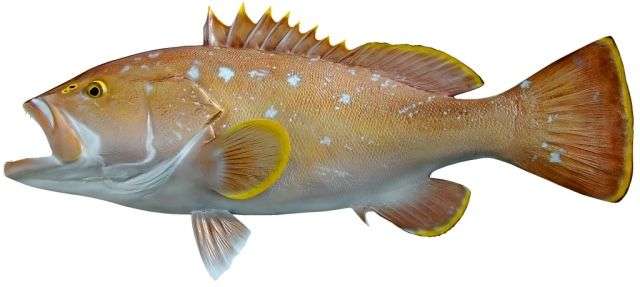
Yellowedge grouper are a deep-water prize that we target when conditions allow for offshore runs. These chunky, red-bodied fish with distinctive yellow fin edges typically weigh 15-30 pounds, though 40-pounders aren't uncommon. They live in 200-400 feet of water around rocky structure and ledges. Since they're deeper dwellers, we usually target them during calmer weather windows when we can get out to the deeper rigs and reefs. What makes them worth the trip is the fight - they're incredibly strong and will try to pull you straight back to the bottom. The meat is outstanding too, holding moisture better than most grouper with a unique flavor. My tip: use multiple baits on your rig and be ready for that initial run when they hit.
About the Island Adventure Charters
%2F%2Fusers%2Fc968f59f-50b8-4af9-ae51-73db36ab5987%2Fvehicle_picture%2Fboatpic1-mj2abjjp.jpg&w=1920&q=75)
Vehicle Guest Capacity: 6
Manufacturer Name: Suzuki
Maximum Cruising Speed: 55
Number of Engines: 2
Horsepower per Engine: 300